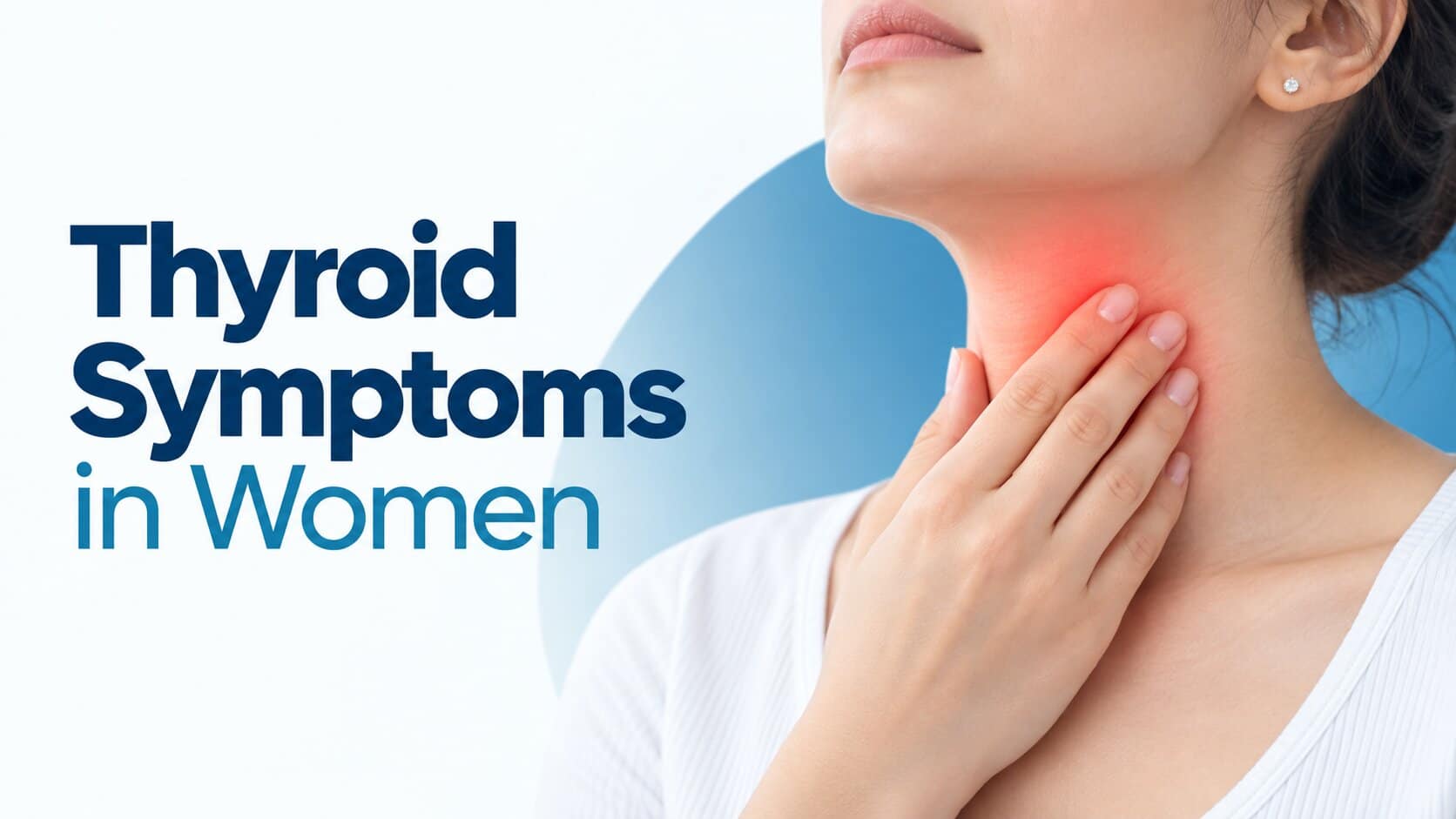



The thyroid is a small, butterfly-shaped gland located at the front of the neck. It plays a vital role in regulating the body’s metabolism, energy levels, and overall hormonal balance. When the thyroid does not function properly, it can lead to various health problems known as Thyroid Disorders.
Thyroid disorders are common and can affect people of all ages, especially women. To avoid problems, early diagnosis and treatment are crucial.
Types of Thyroid Disorders
There are several types of thyroid disorders, including:
- Hypothyroidism (underactive thyroid)
- Hyperthyroidism (overactive thyroid)
- Goiter (enlargement of the thyroid gland)
- Thyroid nodules
- Thyroid cancer

Symptoms of Thyroid Disorders
The symptoms vary depending on whether the thyroid is overactive or underactive.
Symptoms of Hypothyroidism
- Fatigue and weakness
- Weight gain
- Cold intolerance
- Dry skin and hair
- Depression
- Slow heart rate
- Constipation
Symptoms of Hyperthyroidism
- Weight loss
- Rapid heartbeat
- Anxiety and irritability
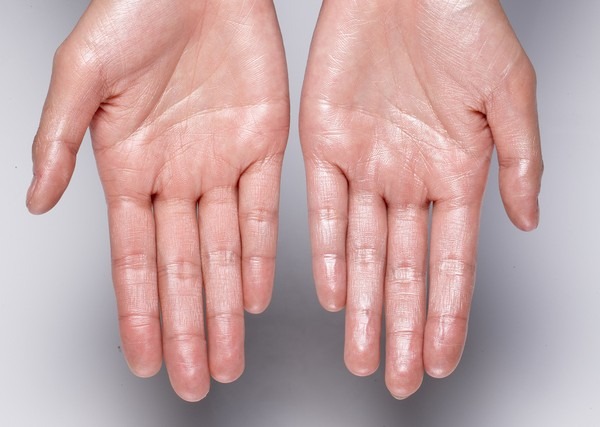
- Sweating
- Heat intolerance
- Tremors (shaking hands)
- Increased appetite

Common Causes of Thyroid Disorders
Thyroid issues can arise for a number of causes, such as:
1. Autoimmune Diseases
Conditions like Hashimoto’s thyroiditis and Graves’ disease cause the immune system to attack the thyroid gland.
2. Iodine Imbalance
Both iodine deficiency and excess iodine intake can disrupt thyroid function.
3. Genetic Factors
Family history plays an important role in thyroid disorders.
4. Hormonal Changes
Pregnancy, menopause, and other hormonal shifts can affect thyroid function.
5. Thyroid Nodules
Lumps in the thyroid gland can sometimes affect hormone production.
6. Medications
Certain medicines may interfere with thyroid hormone levels.
FAQs
1. What are thyroid disorders?
Thyroid Disorders are conditions that affect the thyroid gland, causing it to produce too much or too little hormone, which impacts metabolism and overall body function.
2. What are the early symptoms of thyroid problems?
Early symptoms may include fatigue, weight changes, mood swings, hair loss, and changes in heart rate.
3. What causes thyroid disorders?
Common causes include autoimmune diseases, iodine imbalance, genetics, hormonal changes, and certain medications.
4. Who is at risk of thyroid disease?
Women, people with a family history of thyroid problems, and individuals with autoimmune conditions are at higher risk.
5. Can thyroid disorders be cured?
Some thyroid conditions can be managed effectively with medication, while others require long-term treatment and monitoring.
6. How are thyroid disorders diagnosed?
Doctors use blood tests (TSH, T3, T4), imaging tests, and sometimes scans to diagnose thyroid conditions.
7. When should I see a doctor for thyroid issues?
You should consult a doctor if you notice unexplained weight changes, fatigue, swelling in the neck, or irregular heartbeat.

Integrated Medical Care Hospital (IMC Hospital):
The multi-specialty IMC Hospital was established as a joint venture with DHA Lahore with the intention of revolutionizing healthcare and introducing the concept of completely integrated treatment and services. By combining methods and practices for patient management and putting people before illness, IMC overcomes the inherent difficulties of inpatient care. IMC provides a digital platform that integrates many healthcare service components to transform the way healthcare services are provided. Visit the Integrated Medical Care Hospital (IMC Hospital) and schedule a consultation.