


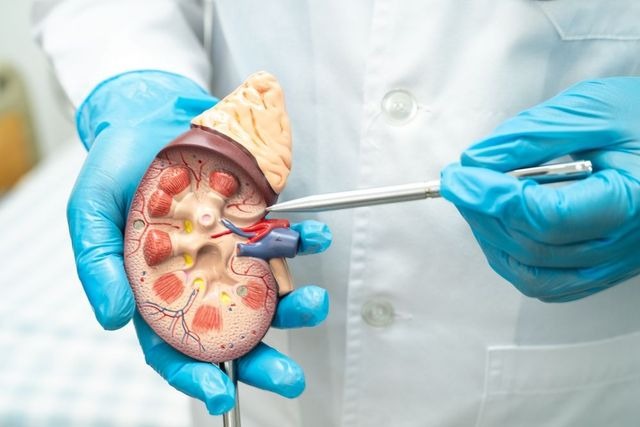
Your kidneys filter around 180 litres of blood every single day. They do it quietly, without pain, without drama. That is exactly why kidney disease is called a silent killer. By the time most people in Lahore notice something is wrong, their kidneys are already struggling.
Here is the uncomfortable truth nobody tells you at a dinner party. Diabetes and high blood pressure damage kidneys slowly over years. Pakistan has high rates of both. Yet most people only meet a nephrologist for the first time when a routine test comes back abnormal and their GP says the words nobody wants to hear.
This guide fixes that. You will learn what a nephrologist actually does, the warning signs that mean you should book a visit now, how to pick the best nephrologist in Lahore without guesswork, what it costs, and which questions separate a great kidney specialist from an average one.
What does a nephrologist actually do?
A nephrologist is a doctor who specialises in kidney health. Not bladder issues. Not prostate problems. Kidneys specifically.
People confuse nephrologists with urologists all the time. Here is the simple split. A urologist is a surgeon who handles the urinary tract and male reproductive system. Think kidney stones that need removal, prostate surgery, bladder procedures. A nephrologist is a physician who manages kidney function itself. Think chronic kidney disease, dialysis planning, electrolyte disorders, high blood pressure caused by kidney problems.
If your kidneys are failing slowly, you want a nephrologist. If something needs to be cut out or broken up, you want a urologist. Many patients end up needing both at different stages, and a good hospital coordinates the two.
Nephrologists also manage dialysis care, prepare patients for kidney transplant evaluation, and handle complex cases where diabetes, hypertension, and kidney disease overlap. In a city like Lahore where diabetes is common, that overlap is most of their workload.
When should you see a nephrologist? 7 warning signs
Most kidney damage causes zero pain. Your kidneys do not have pain receptors that warn you early. So you have to watch for indirect signals instead.
- Swelling in your feet, ankles, or around your eyes. When kidneys cannot remove excess fluid and sodium, it pools in tissues. Morning puffiness around the eyes that was not there a year ago deserves attention.
- Changes in urination. Foamy urine, blood in urine, urinating far more often at night, or noticeably less urine than usual. Any persistent change lasting more than a week is worth investigating.
- Constant fatigue that sleep does not fix. Failing kidneys produce less erythropoietin, the hormone that tells your body to make red blood cells. The result is anaemia-type tiredness that no amount of rest resolves.
- High blood pressure that is hard to control. Kidneys regulate blood pressure. When they struggle, blood pressure climbs. When blood pressure climbs, kidneys suffer more. It is a vicious cycle, and a nephrologist is trained to break it.
- Persistent nausea or metallic taste. Waste buildup in the blood (uraemia) affects appetite and taste. People describe food tasting like metal or cardboard.
- Itchy, dry skin that moisturisers cannot fix. Mineral imbalances from poor kidney function cause deep, persistent itching.
- You have diabetes or hypertension and have never had your kidney function tested. This is the big one. If you are diabetic or hypertensive and nobody has checked your creatinine or urine albumin in the last year, you are overdue. Guidelines recommend annual kidney screening for both groups.
One or two of these signs does not mean your kidneys are failing. But it does mean a simple blood and urine test is smarter than waiting.
How do I choose the best nephrologist in Lahore?
Lahore has no shortage of kidney specialists. That is the problem. Choosing without criteria is just guessing. Here is the criteria I would use if a family member needed a nephrologist tomorrow.
Start with qualifications, not advertisements. Look for FCPS (Nephrology) or equivalent postgraduate training. Ask where they trained and how long they have practised nephrology specifically. A doctor with 15 years in general medicine and 2 years in nephrology is not the same as a dedicated nephrologist.
Check the hospital behind the doctor. Kidney care is team care. You need reliable lab testing, ultrasound and imaging, dialysis facilities, and ICU backup. A brilliant nephrologist in a hospital without a proper dialysis unit can only take you so far. Ask directly: does this hospital run its own dialysis centre, and how many stations does it have?
Look at their approach to early disease. The best nephrologists talk about slowing progression, not just managing failure. Ask what percentage of their patients are in early-stage CKD. A doctor whose practice is 90 percent dialysis may be excellent at dialysis but less focused on keeping you off it.
Read patient reviews with scepticism. Reviews tell you about bedside manner and waiting times. They tell you almost nothing about clinical quality. Use them as a tiebreaker, not a decision-maker.
Consider location realistically. Kidney care involves repeat visits. Blood tests every few months, sometimes more often. A slightly better doctor 90 minutes away loses to a very good doctor 20 minutes away when you need to go back six times a year.
What questions should you ask at your first visit?
Walk in prepared. Good doctors respect prepared patients. Ask these five questions and listen carefully to the answers.
1. What stage is my kidney disease, and how was it measured? You want specifics. eGFR numbers, albumin levels, the trend over time. Vague answers are a red flag.
2. What is likely causing it in my case? Diabetes, hypertension, glomerulonephritis, something else. The cause shapes the entire treatment plan.
3. What can slow the progression? Listen for concrete actions: blood pressure targets, specific medications like ACE inhibitors or SGLT2 inhibitors where appropriate, dietary changes, monitoring frequency.
4. How often do you want to see me, and what will we track? A plan with numbers and dates beats reassurance without either.
5. At what point would we discuss dialysis or transplant? It feels early to ask. Ask anyway. Knowing the thresholds in advance removes panic later.
What does a nephrology consultation cost in Lahore?
Private nephrology consultations in Lahore typically range from PKR 3,000 to PKR 8,000 for a first visit at a reputable private hospital, with follow-ups slightly lower. Basic kidney function tests (creatinine, eGFR, urine complete examination) add a few thousand more. Ultrasound KUB, if needed, is usually in the PKR 4,000 to 7,000 range.
Do not choose on price alone. The cheapest consultation that misses early disease is the most expensive mistake in this list. But do ask for an estimate of the full first-visit workup cost upfront so there are no surprises.
Dialysis, transplant, or neither: what are the real options?
If your kidney function declines significantly, three paths exist. Conservative management focuses on comfort and symptom control without dialysis, sometimes appropriate for elderly patients with multiple conditions. Dialysis (haemodialysis or peritoneal dialysis) artificially does the kidneys' filtering work. Transplant replaces the failed kidney, usually with the best long-term outcomes for eligible patients.
The choice is deeply personal and medical at once. A good nephrologist explains all three honestly, including the lifestyle reality of thrice-weekly dialysis sessions, rather than steering you silently toward whatever their centre offers. If you want to understand the two dialysis types first, read our detailed comparison of haemodialysis vs peritoneal dialysis.
Why hospital choice matters as much as doctor choice
Here is something patients learn too late. Kidney disease is a long relationship with a healthcare system, not a single appointment. Labs, imaging, emergency cover during a crisis, dialysis nursing quality, transplant coordination. The doctor is the face of it, but the hospital is the engine.
When evaluating hospitals in Lahore for kidney care, check whether nephrology, dialysis, urology, and critical care sit under one roof. Fragmented care across three different clinics is where things fall through cracks. IMC Hospital runs its nephrology and dialysis services as an integrated unit, which is the model you want to see anywhere you go.
Also worth knowing: kidney stones are one of the most common reasons Lahoris first meet a kidney specialist. If that is your situation, our guide to kidney stone symptoms and causes walks through what to watch for.
Frequently asked questions
What is the difference between a nephrologist and a urologist?
A nephrologist is a physician who manages kidney function, chronic kidney disease, dialysis, and related medical conditions. A urologist is a surgeon who operates on the urinary tract, kidneys, bladder, and prostate. For declining kidney function, see a nephrologist. For kidney stones needing removal or prostate surgery, see a urologist. Our urology overview explains the surgical side in detail.
Can chronic kidney disease be reversed?
In most cases, established CKD cannot be reversed, but its progression can often be slowed dramatically with blood pressure control, diabetes management, specific medications, and lifestyle changes. Acute kidney injury, which is sudden, is frequently reversible if treated promptly. This distinction is why early testing matters so much.
I have diabetes. How often should my kidneys be checked?
At least once a year with both a blood test (creatinine/eGFR) and a urine test (albumin-to-creatinine ratio). If either is abnormal, your doctor will increase the frequency. Many diabetics in Pakistan skip this for years, which is how preventable kidney failure happens.
Is dialysis painful?
The dialysis session itself is generally not painful, though needle insertion causes brief discomfort and some patients feel tired or crampy afterward. Peritoneal dialysis, done at home through the abdomen, avoids needles entirely. Most patients adjust within the first few weeks.
What foods should kidney patients avoid?
It depends on your stage and bloodwork, but common restrictions include excess salt, high-potassium foods (bananas, oranges, potatoes) when potassium runs high, excess protein in later stages, and phosphorus-heavy processed foods. Never start a renal diet from internet lists alone. Get a plan based on your actual lab values from your nephrologist or a renal dietitian.
Do I need a referral to see a nephrologist in Lahore?
In private hospitals, no referral is needed. You can book directly. In public hospitals, the process varies. If your GP has already flagged abnormal kidney labs, bring those reports to your first nephrology visit. They save time and repeat testing.

Nephrology Care at IMC Hospital Lahore
Choosing the best nephrologist in Lahore comes down to five things. Verified nephrology qualifications. A hospital with real dialysis and lab infrastructure. An approach focused on slowing disease, not just managing failure. Clear, specific answers at your first visit. And a location you can realistically return to for years.
If you are evaluating kidney care options in Lahore, IMC Hospital's nephrology and dialysis unit offers integrated diagnostics, dialysis, and specialist consultation under one roof. Your kidneys have carried you this far without complaint. Return the favour