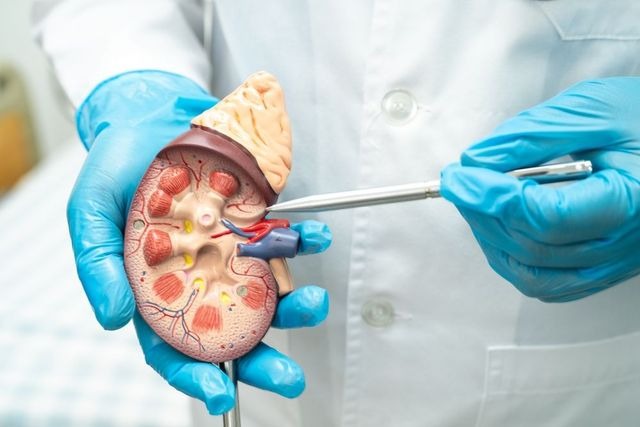


Doctors use the term proteinuria for a situation in which too much protein escapes from the bloodstream and ends up in the urine. In a healthy body, the kidneys act as a filter: they remove waste and surplus water while holding on to proteins and other substances the body needs.
If those filters are injured, or are only briefly under stress, protein can slip through. Some people see foamy urine or puffiness around the eyes and ankles, but many have no signs at all.
It helps to know what lies behind this finding, because protein that keeps showing up in the urine may be one of the first hints of kidney trouble or another underlying illness.
What Does Protein in Urine Mean?
Proteinuria simply means the urine contains more protein than it normally should. Albumin is the main protein involved; it keeps fluid balanced inside the blood vessels and supports many everyday functions.
Each kidney contains millions of microscopic filters called glomeruli. In a healthy kidney they let waste and extra fluid pass out while keeping nearly all protein in the blood.
When the glomeruli are damaged, protein can leak out. A small, short-lived amount may appear after a fever, a day of poor fluid intake, or a hard workout. A level that stays high over time, however, can point to a medical problem that needs attention.
What Are the Common Symptoms of Protein in Urine?
In its early stages, proteinuria often causes no symptoms at all. It is most often discovered when a routine urine test is done for another reason.
As the amount of protein lost grows, a person may begin to notice some of these changes:
- Foamy or bubbly urine: The urine may look frothy, similar to soap suds.
- Puffy eyes: Swelling around the eyes is often most visible after waking up.
- Swollen ankles and feet: Fluid can build up in the legs and feet.
- Changes in urination: You may need to pass urine more often than usual.
- Tiredness: Ongoing, unexplained fatigue can go hand in hand with a kidney problem.
- Swollen belly: Fluid may also gather in the abdomen and make it look bloated
None of these signs proves that protein is leaking into the urine. Even so, swelling that does not go away, a lasting change in your urine, or fatigue with no clear reason is worth discussing with a doctor.
What Causes Protein in Urine?
The cause may be real kidney damage or a passing change in the body. Working out which one applies is the key to knowing whether the problem is short-term or long-lasting.
1. Diabetes
Diabetes is among the leading causes of kidney damage. Blood sugar that stays high for years injures the tiny blood vessels inside the kidneys and weakens their ability to filter.
As a result, protein begins to escape into the urine, which is often the earliest warning of diabetic kidney disease.
2. High Blood Pressure
When blood pressure is poorly controlled, it strains the blood vessels and filters inside the kidneys and can damage them. Over time this allows protein to pass into the urine.
For this reason, people with high blood pressure are often advised to have urine protein and kidney function checks.
3. Kidney Disease
Several kidney disorders harm the filtering structures and let protein leak out. Examples include glomerulonephritis, diabetic nephropathy, and other conditions that affect the glomeruli.
Protein that keeps appearing in the urine may signal that the kidneys are not working as they should.
4. Dehydration
Drinking too little water makes urine more concentrated, which can lead to a temporarily higher protein reading. Dehydration by itself does not necessarily mean the kidneys are permanently harmed.
5. Urinary Tract Infections
Infections of the urinary tract can briefly alter urine test results. The inflammation they cause may allow some protein to show up in the sample.
6. Intense Physical Exercise
A very demanding workout can push urine protein up for a short time. This usually settles quickly, but results that remain abnormal should be investigated.
7. Pregnancy-Related Conditions
During pregnancy, protein in the urine can be linked to preeclampsia, a condition marked by high blood pressure that may put both mother and baby at risk.
A pregnant woman who has protein in her urine, especially together with high blood pressure, headaches, or vision changes, needs to be seen by a doctor without delay.
What Are the Risk Factors for Proteinuria?
Some medical conditions and lifestyle factors make protein in the urine more likely.
The most common risk factors are:
- Diabetes, particularly when blood sugar is poorly controlled.
- High blood pressure.
- A family history of kidney disease.
- Kidney problems that already exist.
- Heart disease.
- Excess body weight.
- Advancing age.
- Some medicines that can affect how the kidneys work.
If you fall into any of these groups, regular kidney check-ups are worthwhile even when you feel perfectly well.
Can Protein in Urine Be a Sign of Kidney Disease?
It can. Protein that remains in the urine over time is frequently an early sign that the kidneys are being harmed.
A healthy kidney keeps most protein in the blood. Once the filters are damaged, albumin and other proteins begin to pass into the urine.
Sometimes proteinuria turns up well before any other sign of kidney disease. That is why urine screening matters so much for people with diabetes, hypertension, or relatives who have had kidney problems.
That said, one abnormal result does not by itself confirm chronic kidney disease. Doctors often repeat the test and order further checks to find the cause.
How Is Protein in Urine Diagnosed?
Proteinuria is normally picked up through laboratory urine analysis. Depending on your situation, a doctor may suggest one or more of these tests:
1. Urine Routine Examination
A standard urine examination looks for protein along with other substances. It is typically the first screening step.
2. Urine Albumin-to-Creatinine Ratio (UACR)
This test compares the amount of albumin in the urine with the amount of creatinine. It highlights abnormal albumin loss and helps estimate the risk of kidney damage.
3. 24-Hour Urine Protein Test
Here, all urine passed over a full day and night is collected to measure the total protein lost. Doctors may request it when a more precise figure is needed.
4. Blood Kidney Function Tests
Blood tests such as serum creatinine and estimated glomerular filtration rate (eGFR) show how well the kidneys are clearing waste from the blood.
Depending on your symptoms, medical background, and first results, your doctor may advise further tests.
When Should You See a Doctor?
Speak to a healthcare professional if a urine test reveals protein more than once, or if you notice any unusual change in your urine.
A medical check-up is especially important if you have:
- Foamy urine that keeps recurring.
- Puffiness around the eyes, feet, or ankles.
- Fatigue with no obvious explanation.
- A change in how often you urinate.
- High blood pressure.
- Diabetes together with abnormal urine results.
Get emergency care if you develop severe shortness of breath, swelling that worsens quickly, or a marked drop in the amount of urine you pass.
Catching kidney problems early makes it possible to act before they progress.

Kidney Health Evaluation at IMC Hospital Lahore
Integrated Medical Care (IMC) HospitalIntegrated Medical Care (IMC) Hospital in Lahore offers consultation and laboratory services to help evaluate a wide range of health concerns.
If you are worried about protein in your urine or have received an abnormal urine report, you can arrange a consultation and the relevant tests. Tracking urine protein levels allows doctors to judge how healthy the kidneys are and decide whether more investigation is required.
Anyone with diabetes, high blood pressure, or lasting urine changes may wish to book an appointment at IMC Hospital for a proper medical evaluation.
Frequently Asked Questions About Protein in Urine
1. Is protein in urine a serious problem?
Sometimes it is only temporary. But when protein keeps appearing, it may point to kidney damage or another health condition, so a medical evaluation is advisable.
2. What does foamy urine mean?
Foam can be a sign of extra protein, but it can also result from a strong urine stream or other harmless causes. If the foaminess keeps happening, get it checked.
3. Can dehydration cause protein in urine?
Yes. Not drinking enough fluid can cause a short-lived rise in urine protein. Repeating the test can show whether the abnormal result persists.
4. Can diabetes cause protein in urine?
Yes. Diabetes can injure the filtering units of the kidneys, letting albumin and other proteins pass into the urine.
5. How is protein in urine detected?
It is found with urine tests, namely a routine urine examination, a urine albumin-to-creatinine ratio, or a 24-hour urine protein collection.
6. Can protein in urine occur without symptoms?
Yes. Many people have no symptoms, particularly early on, which is why routine urine testing is useful for spotting the problem.