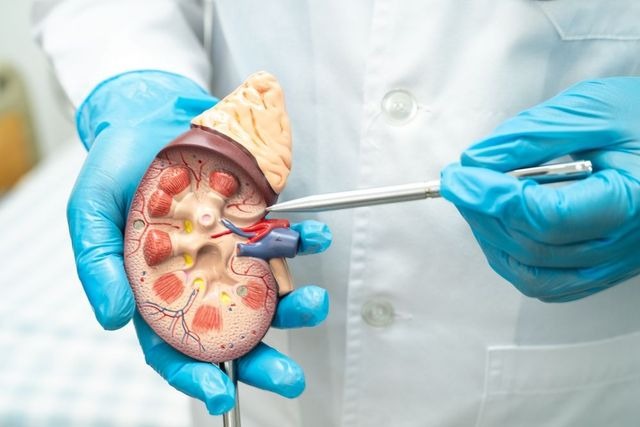



The kidneys are vital organs that filter the blood of waste, poisons, and excess fluid. The body is unable to adequately cleanse the blood when the kidneys fail owing to serious renal disease. In these circumstances, dialysis is required to carry out the kidneys' function. Dialysis aids in the removal of dangerous waste materials and preserves the body's proper fluid and mineral balance. Hemodialysis and peritoneal dialysis are the two primary forms of dialysis used to treat kidney failure. Patients and their families can make more educated treatment decisions if they are aware of the differences between hemodialysis and peritoneal dialysis.
What Is Hemodialysis?
The most popular dialysis treatment for those with renal failure is hemodialysis. The blood is cleaned throughout this process using a dialyzer, a specialized equipment and filter. A tube attached to a blood vessel typically in the arm is used to remove blood from the body during the procedure. The dialysis machine filters out waste, poisons, and excess fluid from the blood. The body receives the cleaned blood once it has been filtered.
Hemodialysis is often carried out under the supervision of qualified medical personnel at a hospital or dialysis facility. Each session typically lasts three to four hours, and the majority of patients require this therapy around three times a week. This approach is quite successful and closely watched by medical professionals.
What Is Peritoneal Dialysis?
Another kind of dialysis that functions differently from hemodialysis is peritoneal dialysis. This approach employs the peritoneum, the lining of the abdomen, as a natural filter rather than a machine. A tiny tube known as a catheter is used in this procedure to introduce a unique dialysis solution into the abdominal cavity.
Through the lining of the abdomen, the dialysis fluid collects waste materials and excess fluid from the blood. The used fluid is removed from the abdomen and replaced with new dialysis fluid after a few hours. This procedure can be carried out automatically overnight using specialized equipment, or it can be repeated many times during the day. The fact that peritoneal dialysis may frequently be performed at home gives patients greater flexibility in their everyday life, which is one of its main advantages.
Difference Between Hemodialysis and Peritoneal Dialysis
The main difference between hemodialysis and peritoneal dialysis is the way the blood is filtered. Hemodialysis uses an external machine to clean the blood and is usually performed at a dialysis center. In contrast, peritoneal dialysis uses the body’s own abdominal lining as a natural filter and can often be done at home.

Integrated Medical Care Hospital (IMC Hospital):
Integrated Medical Care Hospital (IMC Hospital), in partnership with DHA Lahore, revolutionizes neurological care with advanced techniques, expert surgeons, and a digital healthcare platform for seamless treatment. From minimally invasive procedures to complex surgeries, we ensure precision and patient-focused care. Schedule a consultation today.