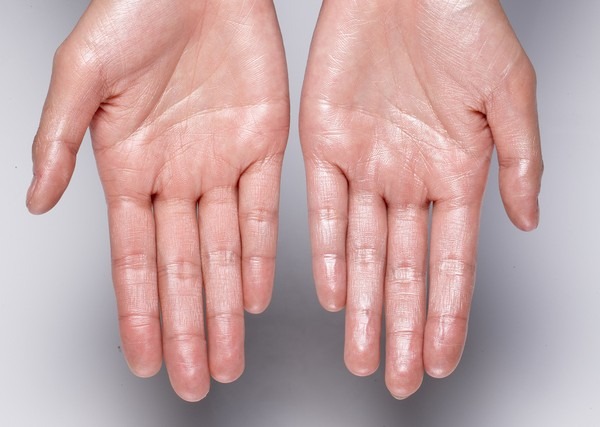



What Is Diabetes?
Diabetes is a long-term illness that interferes with the body's ability to use food as fuel. Insulin typically facilitates the entry of glucose into the body's cells, where it is utilized as fuel. People with diabetes either have insufficient insulin production or ineffective insulin use. High blood sugar levels occur from the accumulation of glucose in the bloodstream. Uncontrolled diabetes can raise the risk of kidney disease, heart disease, nerve damage, eyesight loss, and other major health issues over time.
Common Diabetes Symptoms in Women
1. Frequent Urination
One of the earliest and most noticeable symptoms of diabetes is frequent urination. When blood sugar levels become too high, the kidneys work harder to remove excess glucose from the body. This process causes increased urine production, leading to more frequent trips to the bathroom, especially during the night. Many women initially attribute this symptom to drinking more water or bladder issues, but persistent frequent urination should not be ignored.
2. Excessive Thirst
Frequent urination causes the body to lose fluids, resulting in dehydration. To compensate, women may experience excessive thirst and feel the need to drink water constantly. If you find yourself drinking significantly more fluids than usual yet still feeling thirsty, it could be a warning sign of diabetes.
3. Increased Hunger
Even after eating a full meal, women with diabetes may continue to feel hungry. This happens because glucose cannot efficiently enter the body's cells to provide energy. As a result, the body signals hunger in an attempt to obtain more fuel, even when sufficient food has already been consumed.
4. Unexplained Weight Loss
Unexpected weight loss without changes in diet or exercise can be a symptom of diabetes. When the body cannot use glucose for energy, it begins breaking down fat and muscle tissue instead. Although weight loss may seem beneficial, sudden and unexplained weight loss should always be evaluated by a healthcare professional.
5. Persistent Fatigue
While occasional exhaustion is natural, persistent fatigue may indicate diabetes. Women may experience fatigue even after getting enough sleep because the body's cells are not getting enough glucose for energy. Work, daily activities, and general quality of life can all be negatively impacted by fatigue.
6. Blurred Vision
High blood sugar levels can affect the lenses of the eyes, leading to temporary or recurring blurred vision. Some women may notice difficulty reading, driving, or focusing on objects. If left untreated, diabetes can contribute to more serious eye conditions and vision loss.

Diabetes Symptoms That Are More Common in Women
While many diabetes symptoms affect both men and women, certain symptoms are more common among women due to hormonal and reproductive health factors.
1. Frequent Yeast Infections
Women with diabetes are more likely to experience vaginal yeast infections. Elevated blood sugar levels create an environment that promotes yeast growth. Symptoms may include itching, irritation, redness, and abnormal discharge. Recurring yeast infections can sometimes be an early indication of undiagnosed diabetes.
2. Urinary Tract Infections (UTIs)
High blood sugar levels can increase the risk of urinary tract infections by encouraging bacterial growth. Women who experience frequent UTIs should discuss diabetes screening with their healthcare provider, especially if they have additional risk factors.
3. Vaginal Dryness
Diabetes can affect blood circulation and nerve function, leading to vaginal dryness and discomfort during intimacy. This symptom is often overlooked but can significantly impact a woman's quality of life and relationships.
4. Slow-Healing Cuts and Wounds
High blood sugar can impair blood circulation and the body's natural healing process. As a result, cuts, bruises, sores, and wounds may take much longer to heal than usual. This symptom is particularly concerning because untreated wounds can become infected.
5. Tingling or Numbness in Hands and Feet
Diabetic neuropathy is a disorder where nerves are harmed by persistently elevated blood sugar levels. Women may feel burning, tingling, numbness, or pain in their hands and feet. In order to avoid irreversible nerve injury, early therapy is crucial.
Gestational Diabetes Symptoms
Gestational diabetes develops during pregnancy in women who did not previously have diabetes. In many cases, it causes no obvious symptoms, which is why routine screening is recommended between 24 and 28 weeks of pregnancy. Some women may notice increased thirst and more frequent urination, but these symptoms can easily be mistaken for normal pregnancy changes. Early diagnosis and proper management are essential for the health of both mother and baby.
Risk Factors for Diabetes in Women
Several factors can increase a woman's risk of developing diabetes:
- Being overweight or obese
- Having a family history of diabetes
- Being physically inactive
- Being 45 years of age or older
- Having prediabetes
- Having polycystic ovary syndrome (PCOS)
- Having a history of gestational diabetes
- Giving birth to a baby weighing more than 9 pounds
- Having insulin resistance or metabolic syndrome
Women with PCOS are particularly vulnerable because insulin resistance is common in this condition. Research indicates that more than half of women with PCOS may develop type 2 diabetes by age 40.

When Should You See a Doctor?
A healthcare professional should be consulted if you encounter:
- Frequent urination
- Excessive thirst
- Unexplained weight loss
- Constant fatigue
- Blurred vision
- Recurring yeast infections or UTIs
- Slow-healing wounds
- Tingling or numbness in your hands or feet
Early diagnosis can help prevent serious complications and improve long-term health outcomes. A simple blood test can determine whether your blood sugar levels are within a healthy range.
How to Reduce Your Risk of Diabetes
Although some risk factors cannot be changed, many lifestyle modifications can reduce the risk of developing type 2 diabetes:
- Maintain a healthy body weight
- Follow a balanced diet rich in vegetables, fruits, and whole grains
- Exercise regularly
- Limit sugary beverages and processed foods
- Get regular health screenings
- If you are at high risk, keep an eye on your blood sugar levels.
- Follow your doctor's recommendations regarding PCOS or gestational diabetes
Healthy lifestyle habits can delay or even prevent the onset of type 2 diabetes in many individuals.
Frequently Asked Questions (FAQs)
What are the first signs of diabetes in women?
The earliest signs often include frequent urination, excessive thirst, increased hunger, fatigue, and blurred vision.
Can diabetes cause frequent yeast infections?
Yes. Women with diabetes are more likely to develop recurrent vaginal yeast infections due to elevated blood sugar levels.
Does diabetes affect pregnancy?
Yes. Gestational diabetes can occur during pregnancy and may increase health risks for both mother and baby if not properly managed.
Can diabetes be prevented?
Many cases of type 2 diabetes can be prevented or delayed through healthy eating, regular physical activity, weight management, and routine health screenings.
Is fatigue always a symptom of diabetes?
Not always, but persistent fatigue combined with other symptoms such as excessive thirst and frequent urination may indicate diabetes and should be evaluated by a doctor.

Integrated Medical Care Hospital (IMC Hospital):
The multi-specialty IMC Hospital was established as a joint venture with DHA Lahore with the intention of revolutionizing healthcare and introducing the concept of completely integrated treatment and services. By combining methods and practices for patient management and putting people before illness, IMC overcomes the inherent difficulties of inpatient care. IMC provides a digital platform that integrates many healthcare service components to transform the way healthcare services are provided. Visit the Integrated Medical Care Hospital (IMC Hospital) and schedule a consultation.